Ayemenem House
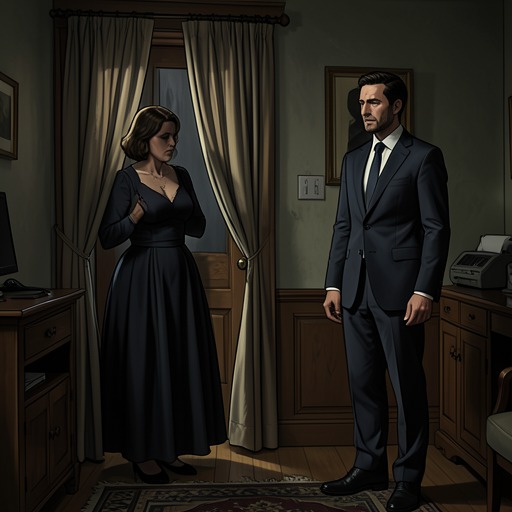
The God of Small ThingsAyemenem House is the old family home on the hill where the Ipe family’s inheritance, exclusions, and disasters gather. In the rain it stands locked and apparently empty, yet its rooms hold the surviving relatives, cherished furniture, and the consequences of choices made there. It is both a material remnant of family life and a threshold at which intimate conflict becomes irreversible public history.
Setting and Physical Character
When Rahel returns to Ayemenem, the monsoon has transformed the landscape around the house. Rain cuts into loose earth, and the steep gabled roof seems pulled low over the building. Moss streaks the walls, dampness has softened and swollen them, and the overgrown garden is crowded with small lives: a rat snake moves against a glistening stone, bullfrogs cruise the scummy pond, and a mongoose flashes across the driveway. The house is not merely old; it appears to have yielded to the wet, proliferating world around it.
The first impression is of vacancy. Its doors and windows are locked, and the front verandah is bare. Yet the blue Plymouth with its chrome tailfins remains parked outside, and Baby Kochamma is still inside. The contrast between locked rooms and a surviving occupant gives the house its uneasy quality: it looks abandoned without being empty, a sealed family world still inhabited by those left behind.
The atmosphere of return is shaped by the southwest monsoon. The surrounding country turns intensely green as boundaries blur, creepers overrun roads and banks, and water fills the landscape. Against this seasonal excess, the house’s locked apertures and bare verandah suggest withdrawal. Its decay is not separate from the surrounding life, but the life outside seems to press against a household that has contracted into its remaining rooms.
Household, Inheritance, and Survival
By the time Estha is returned to Ayemenem, Baby Kochamma and Kochu Maria are the only people left in the house. Mammachi is dead; Chacko lives in Canada and has an unsuccessful antiques business. The domestic world that once joined several generations has narrowed to two women and the objects of an emptied family. The house remains a location of return, but not of restoration: Estha’s presence does not undo the years of separation, and Rahel returns to a home whose central relationships have already been broken.
Baby Kochamma’s attachment to the house is bound up with what she has inherited by outliving everyone else. She cherishes Mammachi’s violin and stand, cupboards from Ooty, plastic basket chairs, beds from Delhi, a Vienna dressing table with cracked ivory knobs, and the rosewood dining table Velutha made. The objects preserve different journeys into the household and different kinds of labor, yet within Baby Kochamma’s care they become a collection to protect. The house’s contents hold family history materially, even as the family itself dwindles.
That inheritance is also precarious. Baby Kochamma watches television reports of famine, war, ethnic cleansing, and genocide with fear, imagining these distant crises as threats to her furniture. The disproportion exposes how thoroughly her sense of security has become attached to possession and enclosure. She keeps the doors and windows locked, opening them only for defined purposes, such as letting in fresh air, paying for milk, or releasing a trapped wasp. The house is organized less as a welcoming home than as a guarded interior.
After Chacko emigrates to Canada and the family’s other members have died, left, or been sent away, the household’s only income comes from the rubber estate adjoining the house and a few coconut trees in the compound. This reduced income marks the family’s material decline alongside its emotional and social fragmentation. The house remains, but its continuing life depends on a small remnant of property rather than the prosperous family enterprise once associated with Paradise Pickles & Preserves.
The River’s Presence
The river cannot be seen from the house anymore, yet the house retains what the narration calls a river-sense: a rushing, rolling, fish-swimming awareness. The image makes geography an inward inheritance. Distance and obstruction do not erase the river from the house’s identity, just as the family cannot leave its past behind simply by closing doors or moving away.
From the dining-room window, Rahel sees rain beating on the rusted tin roof of what used to be Paradise Pickles & Preserves. The view joins the domestic interior to the factory and the weather outside, placing household memory beside the remains of the family’s economic life. The house’s old relation to the river survives as a felt orientation, while what can be seen from its window records visible deterioration.
The House as a Site of Crisis
The house’s rooms become active instruments in the events that lead to the children’s disappearance and Velutha’s death. After Mammachi loses control, she and Baby Kochamma arrange to have Ammu locked in her bedroom before sending for Velutha. They want him to leave Ayemenem before Chacko returns, and their attempt to control the crisis instead helps propel it beyond their control. The bedroom door turns a family home into a place of confinement: Ammu is shut away while decisions about her and Velutha are made outside her reach.
When the children fail to appear for their morning glass of milk, Mammachi and Baby Kochamma first think they may have gone to the river to swim. Heavy rain has made the river dangerous. Baby Kochamma sends Kochu Maria to search, but she returns without them; after Vellya Paapen’s visit and the upheaval that follows, no one can remember when the children were last seen. The household’s panic unfolds around an absence that it has not noticed soon enough.
Ammu remains locked in her room, with Baby Kochamma holding the keys. Asked through the door whether she knows where the children might be, Ammu responds in rage and disbelief, and something crashes against the door. The confinement also places her careless, furious words to the twins into the chain of events: she later remembers having told them that she would have been free without them and that she should have left them in an orphanage. The house contains not only the immediate crisis but the words whose meaning becomes unbearable after Sophie Mol’s body is brought home.
The news of a white child’s body found floating downriver reaches Mammachi and Baby Kochamma at about nine in the morning. Estha and Rahel are still missing. When the body is brought to the house, Sophie Mol is laid out on the chaise longue in the drawing room. The room that holds inherited furniture and the signs of family life becomes the place where death is made unmistakable to Margaret Kochamma. The domestic setting does not soften the loss; it gives the loss a precise, visible position within the home.
Memory, Ruin, and Historical Force
The house’s later appearance gathers together the consequences of its history. On Rahel’s return, its locked doors and overgrown grounds stand beside the surviving Plymouth; inside, Baby Kochamma remains with the furniture she has inherited. The people who once made the house a multigenerational home are dead, absent, or separated. The building’s persistence therefore registers both continuity and loss: the structure has outlasted the family’s shared life, but cannot restore it.
The novel also treats the violence connected with the house as more than a private family quarrel. What Estha and Rahel witness is described as a demonstration of human beings pursuing ascendancy, structure, order, and monopoly, with history appearing under the guise of divine purpose. Ayemenem House belongs to that lived history: within its rooms, kinship and property, caste power, family reputation, and institutional action meet. The children experience the consequences before they can understand the system that has produced them.
Near the end, while the old house has settled into sleep, Ammu walks onto the front verandah wearing one of Chacko’s old shirts over a long white petticoat. She paces restlessly, then sits beneath a moldy bison head and portraits of the Little Blessed One and Aleyooty Ammachi. Her exhausted twins sleep with their eyes half open. The scene returns the house to its intimate scale—verandah, chair, family portraits, sleeping children—while the surrounding history remains present in the lives assembled there. Ayemenem House endures as a repository of objects and memory, but also as the place where inherited structures of power shape what the family can and cannot keep together.